

The cost of drain cleaning in Sioux Falls depends mostly on where the blockage is, how easy the line is to reach and what caused it. A single slow sink cleared at the trap is a short service call; a main line backing up into a basement floor drain, with no cleanout to work through, takes longer and costs more.
Why This Matters to Homeowners
A blocked drain is rarely a planned expense. It shows up as a sink that will not empty, a shower standing in water, or a floor drain bubbling when the washer runs. Knowing what drives the price helps you judge a quote, and helps you tell a quick clearing from a problem that will keep coming back.
This time of year adds its own load. Holiday cooking sends more grease down kitchen sinks than any other season, and the City of Sioux Falls says plainly that cooking grease is a major cause of residential plumbing blockages, which can back raw sewage up into homes (City of Sioux Falls, Safe Disposal of Fats, Oils and Grease).
Why this guide has no dollar figure
We do not quote prices in a guide. A drain call depends on what is in the line and where, and nobody can see that over the phone. What we can do is explain what decides the number, so you know what you are paying for.
What Does a Drain Cleaning Visit Include?
A typical visit covers:
- Finding which drain or line is blocked, and whether it is one fixture or a shared line.
- Clearing the blockage through the fixture, a trap or a cleanout.
- Running water through the line afterwards to confirm it drains properly.
- Telling you what caused it, and whether it is likely to come back.
Most single-fixture clogs in kitchens and bathrooms take an hour or less. Clearing a main line takes about 1 to 3 hours, depending on the blockage and access. If a drain keeps clogging, working out the cause takes another 1 to 2 hours.
The Five Things That Move the Price
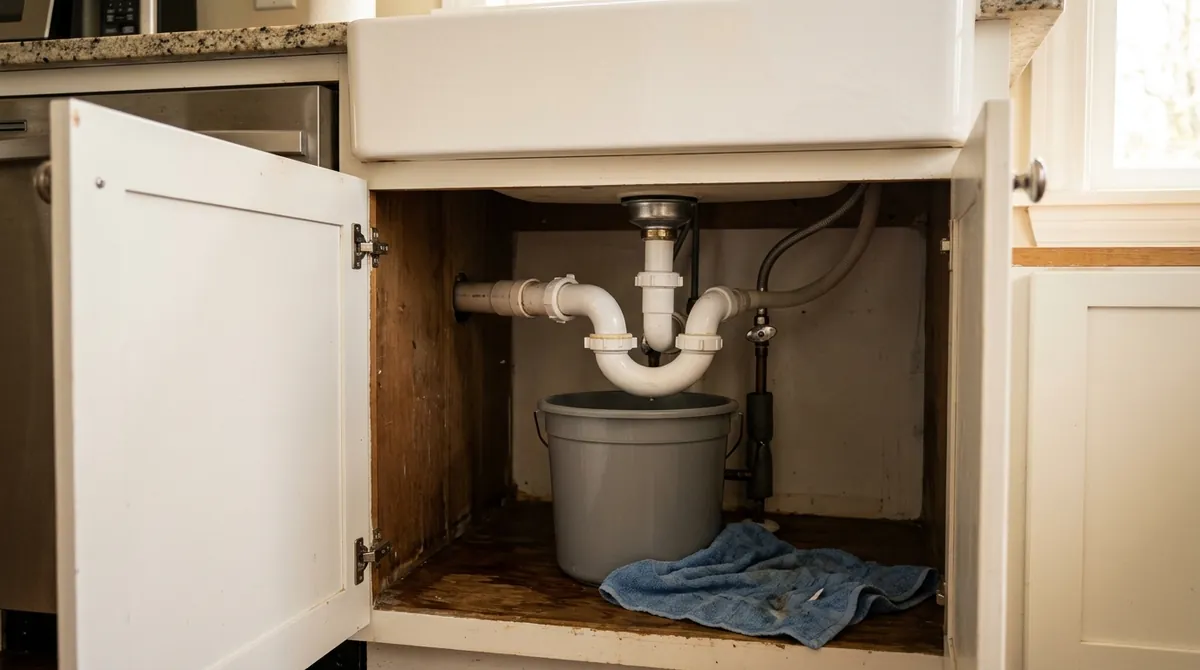
- Where the blockage is. A clog in a fixture trap is quick to reach. One in the main line thirty feet out under the basement floor is not.
- Cleanout access. An accessible cleanout saves labour. Without one, the line has to be worked through a fixture, which takes longer. In older houses the cleanout is sometimes buried, painted over or missing altogether.
- What is causing it. Grease, soap and hair clear easily. Roots in the sewer line, a collapsed section or a belly where the pipe has sagged do not, and they usually need more than cleaning.
- Cleaning or repair. Clearing a line is a service call. Replacing a damaged section means excavation, and that is a different job and a different price. Our guide to sewer line repair cost in Sioux Falls covers that side.
- Depth and what is above it. A line that runs under a driveway, a slab or a mature tree costs more to reach than one under open lawn.
Newer Homes and Older Homes Clog Differently
The age of the house changes what we usually find, and that changes the likely cost.
Newer homes in Tea, Harrisburg and Brandon mostly have plastic drain lines inside and out. Plastic is smooth, so clogs tend to be what went down the drain: grease in the kitchen line, hair in the shower, wipes in the toilet. These are usually quick to clear, and once cleared they tend to stay clear if the cause stops. The exception is a new build where construction debris, such as grout, drywall mud or a stray fitting, ended up in a line. That shows up as a drain that has been slow since the day the family moved in.
Older homes in Sioux Falls and the older cores of towns like Dell Rapids are more likely to have cast iron inside and clay sewer pipe outside. Cast iron roughens with age, and the scale on the inside of the pipe catches grease and paper. Clay sewer pipe has joints every few feet, and those joints are where roots get in. Clogs in these houses are more often the recurring kind, and more often worth a look at the line itself rather than another clearing.
Acreages and farm sites add their own variables: long drain runs away from the house, floor drains in shops and outbuildings, and lines that have been extended over the years. Distance and access matter more here than anywhere.
If you are not sure what your house has, the age of the house and a look at the pipe where it leaves the basement wall usually tell us.
Is It One Drain or the Main Line?
This is the question that changes the cost most, and you can often answer it yourself:
- One fixture drains slowly. The blockage is local, in that trap or branch line. Usually hair, grease or soap buildup.
- Several drains slow down at the same time. The problem is further down a shared line. Clearing one fixture will not help.
- Gurgling from a drain when another one runs. Air is being pulled through standing water, so the line or the vent is partly blocked.
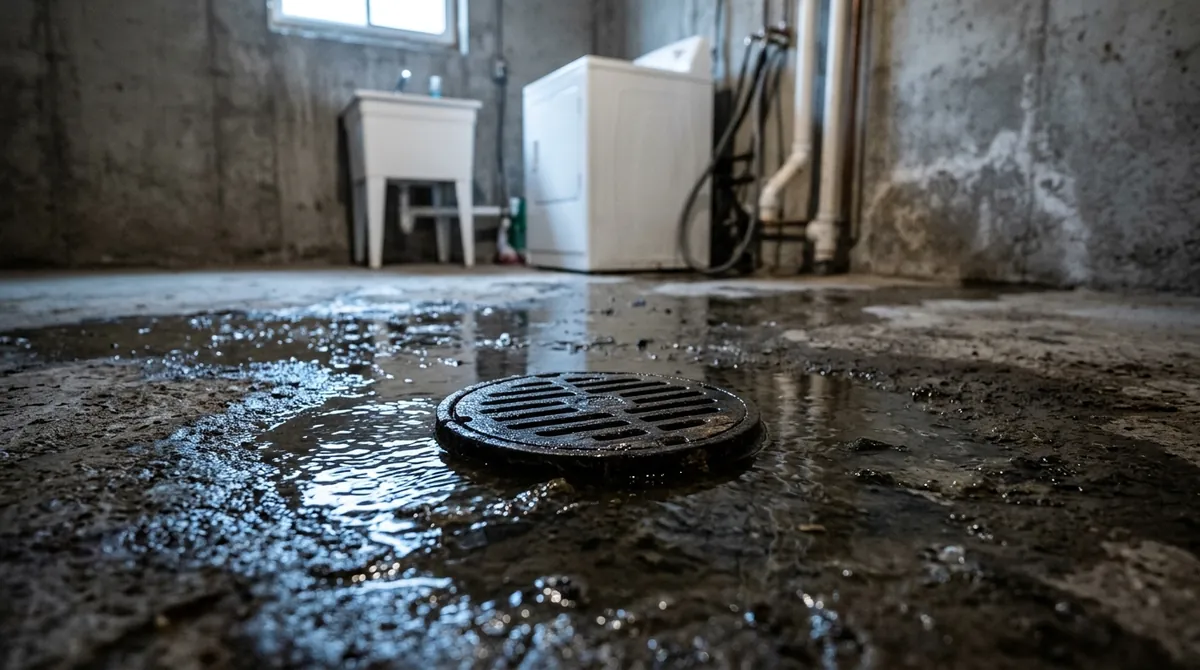
- Water backing up into a floor drain or shower. The main line is blocked. Stop using water in the house until it is cleared.
- Toilets bubble when the washer drains. The main line cannot take the volume, and a full blockage is usually close behind.
If it is the main line, call before it backs up further. Water from a blocked main has nowhere to go but the lowest drain in the house, which in most Sioux Falls homes is the basement.
When a Clog Means Something More
A drain that clogs once is a clog. A drain that clogs every few months is telling you something structural. Common causes in this area:
- Roots. Trees planted over older clay and cast iron sewer lines find the joints. The line clears, then fills again.
- A belly in the line. A section that has sagged holds water and debris, and clogs over and over.
- A fitting catching debris. A rough joint or an old repair that snags everything that passes.
- Unusually green grass over the sewer line. The line is leaking and feeding the lawn.
In each case, cleaning the line again only resets the clock. The useful money is spent on finding the cause, then deciding on repair with the reasoning in front of you.
What You Can Do to Avoid the Next Clog
Most kitchen clogs are grease, and the city's advice is simple:
- Let pans and fryers cool, then scrape food waste into the trash.
- Pour cooled grease into a durable container, like a steel coffee can, and put it in the trash.
- Wipe greasy pans with a paper towel before washing them.
- Do not rinse oil or grease down the drain with hot or cold water.
- Do not use chemicals to break up grease blockages. The city warns they can damage your plumbing.
Hair catchers in showers and tubs, and not flushing wipes, cover most of the rest.

How to Compare Quotes
Check that each quote or invoice says:
- Which line was blocked: one fixture, a branch or the main.
- How it was accessed: through a fixture or a cleanout.
- What was found, and whether it is likely to come back.
- Whether anything beyond cleaning is being recommended, and why.
A quote that recommends digging up the yard without saying what was found in the line has skipped the step that tells you whether it is needed.
Drain Blocked in Sioux Falls? Gold Standard Plumbing & Heating Is Ready to Help
Gold Standard Plumbing & Heating is locally owned, licensed, bonded and insured. We clear the blockage, find out why it happened, and show you the options before anything bigger is done. We work across Sioux Falls, Brandon, Harrisburg, Tea, Dell Rapids and the surrounding towns. Read more about our drain cleaning and sewer repair in Sioux Falls, or our drain and sewer service in Tea.
Call us at (605) 530-6950 or contact us. We answer weekdays from 7:30 am to 5 pm, and emergency calls are welcome within those hours.